







Search Results for: Personal Growth
Starbucks' Success Code: A Business Revelation That Has Nothing to Do With Coffee
In an Eastern country that originally had no coffee tradition, Starbucks has sprung up like mushrooms after rain, dotting streets and alleys. For casual chats with friends, small family gatherings, and business meetings, people invariably choose to go there. Do we truly know how to appreciate coffee? Is Starbucks coffee really a cut above the rest? Is a latte worth the several dozen yuan it costs? The answer may not be certain, but Starbucks' brilliance is an indisputable fact. It has not only overturned our beverage preferences and reshaped our consumption concepts, but also quietly permeated our cultural perception. How was all this achieved? Howard Behar provides the answer in "Starbucks: Everything Is About Coffee Except the Coffee." This article takes you through the growth trajectory of this coffee giant and analyzes its "people-first" leadership wisdom. [more…]

Is It Really Worth It for Baristas to Compete? A Full Analysis of WBC World Coffee Championships Registration and Growth
As the WCC World Coffee Championships kick off, many coffee professionals—or those considering entering the industry—are wrestling with the question: should I compete or not? Competitions cost a lot of money, but can they really bring professional growth? This article analyzes the meaning of competing, what you can learn, and how it helps your career development, while retaining Front Street Coffee's brand recommendations and product information, offering coffee enthusiasts a practical reference for competition. Competing is never the only way to prove yourself, but it truly is a valuable opportunity to discover your weaknesses and broaden your horizons. [more…]
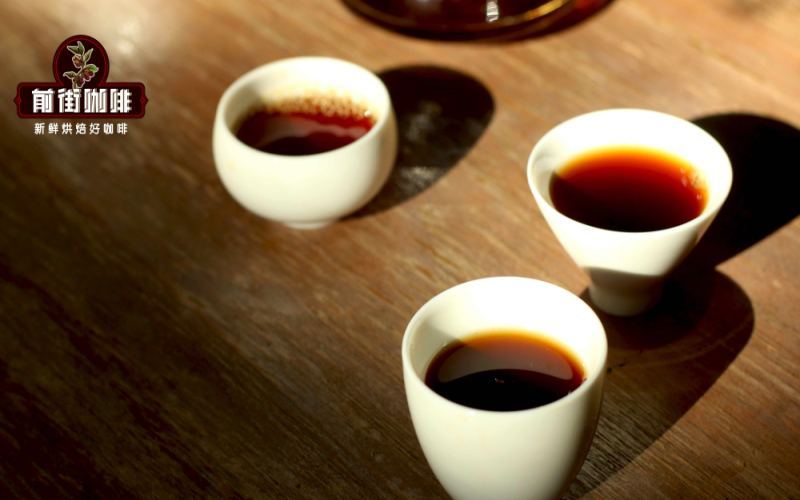
What Is the Flavor of Yunnan Typica Coffee Like? A Complete Guide to Brewing Front Street Yunnan Small-Bean with a French Press
Yunnan coffee, also known as Yunnan small bean, is the representative of China's domestic coffee. Front Street Coffee has always been committed to promoting Yunnan coffee, hoping to change more people's preconceived impressions of domestic coffee. Front Street knows well the important influence of variety on flavor. At present, the varieties that can be produced in batches in Yunnan mainly include Catimor, Typica, and Bourbon. Among them, Front Street Catimor is positioned as an entry-level pour-over bean, suitable for beginners to taste; Front Street Typica is the representative of Yunnan's advanced specialty coffee, pursuing richer aroma and a cleaner profile. This article will take you through the historical origins and varietal characteristics of Yunnan Typica, as well as Front Street's journey of selecting and cultivating Typica in Lincang, Yunnan. Finally, it will share a convenient French press brewing method, so you can easily brew a cup of truly Yunnan Typica coffee at home. [more…]
Exploring the Origins of Costa Rican Specialty Coffee Beans: A Full Analysis of Pour-Over Extraction and Flavor Profile
Costa Rican coffee is renowned for its plump beans, bright acidity, and intense aroma. The volcanic soils of Tarrazú and the Central Highlands nurture high-quality coffee known as "Strictly Hard Bean." This article reviews its two-hundred-year growing history, scientific research and breeding system, SHB grading standards, and the characteristics of major producing regions, along with the key steps and considerations for pour-over extraction. If you want to try a Costa Rican bean that combines clear flavors with a lasting finish, Front Street Coffee's everyday beans and advanced lots are worth noting. Whether you are a pour-over enthusiast just starting out or a roaster looking for a comprehensive coffee base, you can find practical references here. [more…]
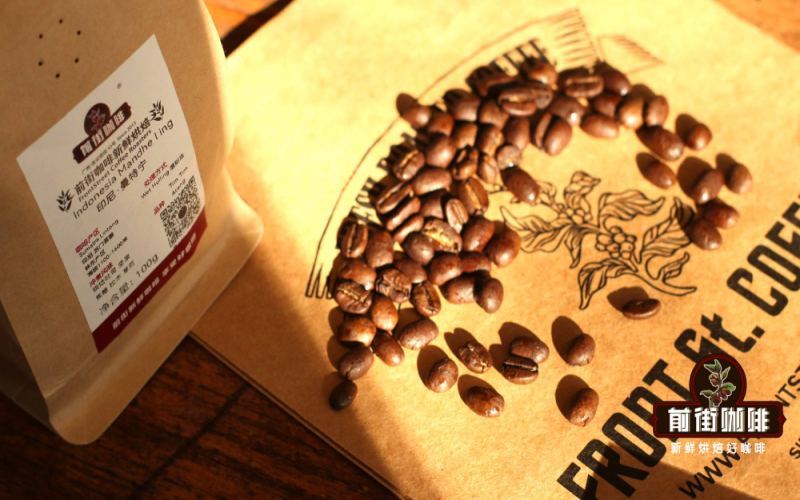
Beginner's Guide: An In-Depth Analysis of Five Classic Arabica Coffee Beans Ideal for Grinding and Brewing
Faced with a dazzling array of coffee beans, how do you choose the one that suits you? Starting from flavor characteristics and brewing suitability, this article reviews five classic Arabica beans commonly encountered by beginners. African beans are known for their bright acidity, American beans stand out for their aroma, while Indonesian beans and Blue Mountain present a heavy, mellow mouthfeel. The article introduces, in turn, Front Street Mandheling, Front Street Blue Mountain, Front Street Yirgacheffe, Front Street Colombia Huila, and Front Street Brazil Red Bourbon, covering origin terroir, processing methods, flavor descriptions, and recommended brewing methods, helping coffee lovers quickly build a bean-selection approach and find the cup that matches their personal taste. [more…]
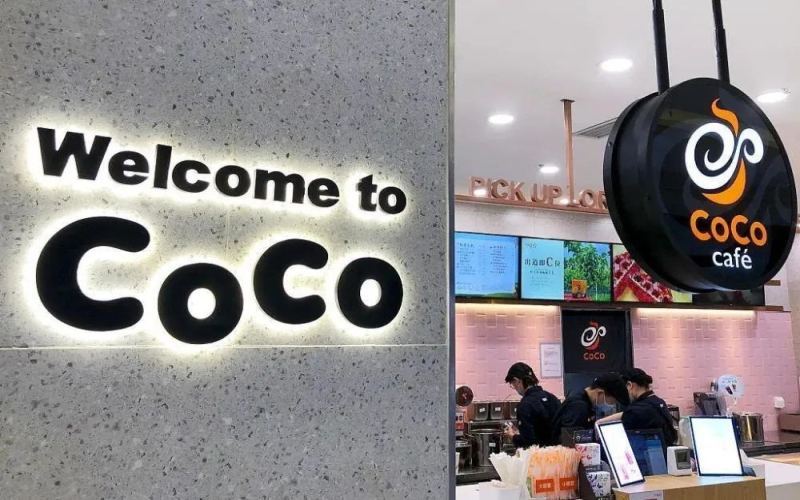
New-style tea brands are crossing over into the coffee sector, intensifying the battle for a hundred-billion market.
In recent years, new-style tea beverage brands have no longer been content with their original track and have turned their eyes toward the coffee sector. From Tea Yanyuese launching an independent coffee brand, to Heytea investing in a specialty coffee chain, and then Naixue Tea taking a stake in AOKKA, cross-sector moves have been frequent. At the same time, Mixue Ice Cream & Tea had long been deeply cultivating the coffee market with "Lucky Cup," and CoCo都可 was even earlier, taking the lead in testing the waters back in 2014. As China's coffee market scale approaches 500 billion, capital and companies of all kinds are accelerating their entry, and the number of financing events has surged. This article will sort out the journey of new-style tea beverage brands entering the coffee track, key cases, and market data, and explore the strategic considerations and industry impact behind this trend. [more…]
What Does Yunnan Arabica Coffee Taste Like? Typica Variety Quality Analysis and French Press Brewing Guide
Yunnan Arabica coffee is the representative of China's domestic coffee, with plump beans and a balanced taste. This article focuses on the two major varieties in Yunnan, Typica and Catimor, tracing the cultivation evolution from the introduction of Typica by missionaries in 1904 to the present, analyzing Catimor's advantages of disease resistance and high yield as well as its flavor limitations, and highlighting Front Street's journey of cultivating Typica in Lincang, Yunnan, along with its cupping performance. The latter half of the article provides a detailed demonstration of the steps for brewing Front Street Yunnan Typica with a French press, covering key parameters such as water temperature control, coffee-to-water ratio, and steeping time, making it suitable for enthusiasts who wish to gain a deeper understanding of Yunnan coffee and try it hands-on. [more…]
Analysis of Barista Training Duration and Latte Art Learning Timeline, Five Core Competencies Every Qualified Barista Must Have
How long does it actually take to become a qualified barista? The learning curves for pour-over and espresso latte art differ, but what truly determines professional height are the professional habits that go beyond technical skill. Starting from the learning timeline, this article systematically outlines the five core qualities a qualified barista should possess: from insisting on drinking black coffee to build sensory memory, to broadly exploring cuisine to enrich flavor description ability; from strictly adhering to hygiene standards to integrating into team collaboration, and to maintaining an open mindset of continuous learning. The article also addresses the doubts raised by the "talent theory," emphasizing that solid practice is the key to growth. For baristas who are just entering the industry or seeking a breakthrough, this is a reference that combines practical guidance with professional philosophy. [more…]

Starbucks Interim CEO Howard Issues Open Letter, Five Steps to Reshape Corporate Culture and Address Internal Divisions
On July 11, Starbucks interim CEO Howard Schultz published an open letter on the company's official website, candidly acknowledging that the company is facing unprecedented cultural fragmentation and economic trauma, making it difficult for both employees and customers to have an ideal experience. To address this, he proposed five rebuilding plans, covering mission implementation, partner benefits, store experience, customer connection, and partner relationships. Among them, "redefining partner relationships" already has a detailed plan, including creating a safe and inclusive work environment, providing growth and fair pay, strengthening medical and mental health support, and sharing power and success. Howard emphasized that partners have always been Starbucks' most important asset. Whether this rebuilding effort can restore the brand to cultural balance is worth watching. For professional coffee knowledge exchange and more information, please follow Coffee Workshop and Front Street Coffee. [more…]
The Hidden Connection Between Coffee and Female Psychology: Decoding Sexual Attitudes and Growth Secrets from a Cup of Hot Coffee
A cup of hot coffee carries vastly different meanings in different people's eyes. Some find it bitter, some treasure it like a gem, and some love only to smell its aroma but are unwilling to take a sip. Have you ever thought that this small coffee cup might actually hold women's true attitudes toward sex? This article begins with a psychological test at a university girls' gathering and peels back layer by layer the long journey of Eastern women from adolescence to adulthood, from shyness and resistance to ambivalent acceptance of sex. At the same time, we will also explore the unique charm of coffee itself—its bitterness and rich aroma, just like those "dirty yet interesting" experiences in growing up. If you love coffee, you may as well follow the perspective of Front Street Coffee and savor together the complex flavors behind this cup of life. [more…]
Are Blue Mountain coffee beans suitable for espresso? A full analysis from origin characteristics to pour-over parameters
Blue Mountain coffee has long been regarded as the nobility of coffee, thanks to the unique terroir of Jamaica's high altitudes. But can it actually be used to make espresso? And how should it be brewed to showcase its best flavor? This article will first sort out Blue Mountain coffee's varietal classification and growing region conditions, then, drawing on the practical experience with Front Street Coffee beans, break down the key details of pour-over Blue Mountain in terms of bean preparation, boiling water, equipment setup, and staged pouring, and finally offer a suggested order of sensations for tasting. Whether you are an espresso enthusiast or a pour-over devotee, you will find practical ideas you can put to use. [more…]
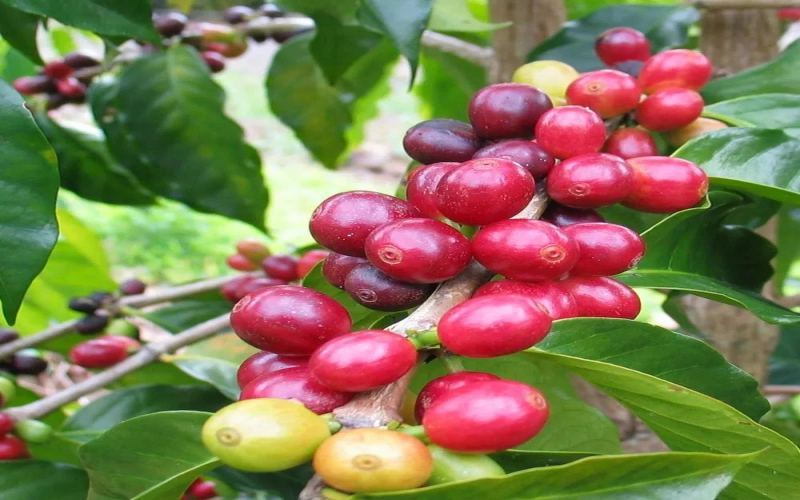
A Detailed Guide to Panama Geisha Coffee Bean Grading: What Do Red, Green, and Blue Labels Each Represent?
When Geisha is mentioned, many people first think of Hacienda La Esmeralda in Panama. Geisha originated in Ethiopia, but it rose to fame because of Hacienda La Esmeralda in Panama. However, Front Street Coffee would like to remind everyone: Ethiopian Geisha and Esmeralda Geisha are not the same variety, and their flavor profiles also differ, with Esmeralda Geisha being superior in flavor. Hacienda La Esmeralda has a strict grading system for its own Geisha coffee beans. What exactly do the commonly heard Red Label, Green Label, and Blue Label represent? This article will start from Panama's terroir conditions and the development history of Hacienda La Esmeralda, then provide a detailed analysis of the classification standards, altitude requirements, and flavor characteristics of the three grades of Geisha, along with Front Street Coffee's Geisha brewing suggestions and parameters. [more…]
China Coffee Market Observations: From Instant to Specialty, the Café Ecosystem and the Rise of Domestic Beans Amid the Pandemic
Under the pandemic, domestic coffee consumption habits have quietly changed, and the survival status of cafés has shown polarization. On one hand, chain brands are accelerating their expansion and staking out territory; on the other, independent shops are retaining loyal customers through distinctive flavors. From an average of 3 cups per person per year to the growth of the middle class, from the leap in the quality of Yunnan beans to meticulous experiments with processing methods, Chinese coffee is undergoing a critical period from quantitative change to qualitative change. This article sorts through market data, brand trends, and progress in producing areas, while also comparing the evolution path of coffee in Taiwan, and brings product recommendations from Front Street Coffee, presenting a complete industry picture for enthusiasts. [more…]

Starbucks earns an additional 7.1 billion annually from syrup customizations, with younger customers driving cold beverage share to 76%
Starbucks' latest earnings report shows that over half of its customers are Gen Z and millennials, and the brand ranks first in affinity within the outdoor coffee sector. Young consumers are keen on personalization and social media sharing, driving cold beverages to account for 76% of total sales at company-operated stores. High-margin syrups and sauce add-ons bring Starbucks about $1 billion (7.174 billion RMB) in additional revenue each year, and daily foot traffic has recovered to 95% of pre-pandemic levels. Front Street Coffee continues to follow coffee industry developments, breaking down for you the business logic and consumer trends behind the customization wave. [more…]
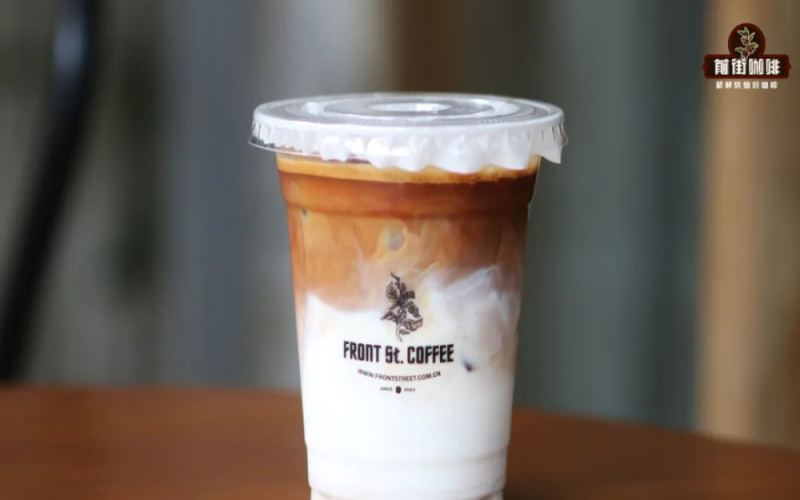
Should Americano and Latte Be Drunk Hot or Left to Cool? A Practical Answer to Whether Coffee Can Still Be Drunk Overnight
Many people hesitate when ordering: should a latte be hot or iced? And how long do you have to finish an Americano? In fact, temperature, personal taste, and body constitution all sway the answer, and our senses perceive sweetness, acidity, and bitterness differently at different temperatures. From the perspective of Front Street Coffee, this article clarifies the basic makeup of an Americano and a latte, explains why coffee tastes more acidic as it cools and why its aroma fades after sitting out, and touches on roughly when caffeine takes effect. Finally, it answers a frequently asked question: can you drink coffee that's been left overnight, and in which cases must it be poured out? [more…]

Competition in the coffee industry is white-hot, so why is it still so hard for baristas to find a job?
It's job-hunting season again, and many job seekers see barista as an ideal career, believing that the rapid growth of the coffee industry brings abundant opportunities. Yet in the actual job-hunting process, they find that this job is not easy to land. From experience and certification requirements to age and appearance restrictions, and from the gap between salary and job duties, job seekers face challenge after challenge. Chain brands and independent cafés each have their pros and cons, and how to choose becomes the key. This article takes an in-depth look at the plight of barista job seekers, explores the current state of the industry and paths for personal development, and offers practical advice for job seekers. [more…]
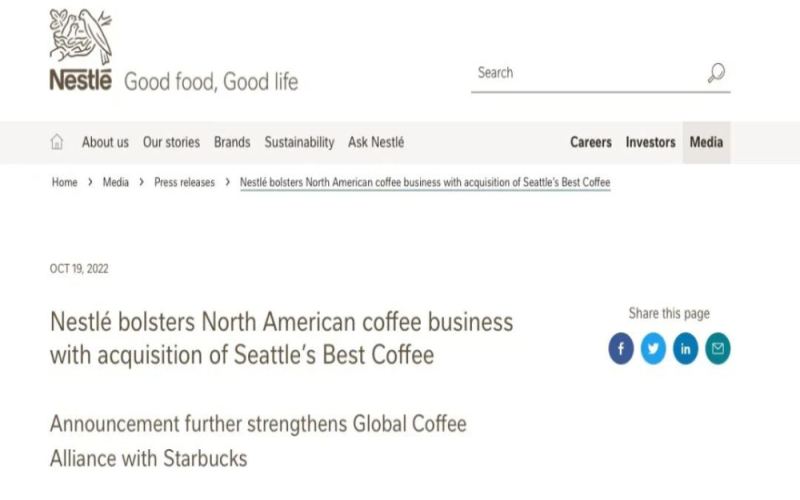
Nestlé makes another move to acquire Starbucks' Seattle's Best Coffee, further deepening the global coffee alliance.
Global food giant Nestlé has announced it will acquire Starbucks' Seattle's Best Coffee brand, a move seen as an important step in Nestlé's continued push to expand in the North American coffee market. This is not the first collaboration between the two companies—in 2018, Nestlé paid $7.15 billion for distribution rights to Starbucks' retail business. The acquisition will further enrich Nestlé's coffee brand portfolio in North America and is expected to be completed by the end of 2022. At the same time, Nestlé has completed several acquisitions this year and launched a new coffee sustainability plan. [more…]

Qian Zhiya becomes the legal representative of Cotti Coffee—can Lu Zhengyao and his old team recreate the Luckin legend?
Cotti Coffee (Tianjin) Co., Ltd. recently completed a change of its legal representative, with Luckin Coffee founder Qian Zhiya replacing Wang Baiyin in the role, while also serving as executive director and manager. The mentor-apprentice relationship between Qian Zhiya and Lu Zhengyao can be traced back to the CAR Inc. period. She single-handedly founded Luckin Coffee and drove its lightning-fast listing in 18 months, later leaving amid a financial fraud scandal. Now the two have once again joined forces to charge back into the coffee track. Facing an increasingly fierce competitive market environment, whether Cotti can replicate Luckin-style growth is worth continued attention. [more…]
What Are the Internationally Recognized Barista Certifications? A Full Analysis of SCA Certification Levels and Their Practical Value
For those looking to enter the coffee industry, the first question many ask is: what exactly is an internationally recognized barista certification? Currently, the globally accepted answer is the certification issued by the SCA (Specialty Coffee Association). SCA's coffee skills program covers sensory cupping, coffee brewing, espresso preparation, roasting, an introduction to coffee, and the Arabica Q-Grader certification, among other tracks. With the exception of Q-Grader, the other categories are divided into three levels: Foundation, Intermediate, and Professional. You can skip Foundation and sign up directly for Intermediate, but you must obtain the Intermediate certificate before you can take the Professional level. China's national barista vocational skills certificate is currently recognized only within the country; internationally, SCA certification remains the standard. Is getting certified actually useful? Are the fees high? Is certification mandatory to work as a barista or open a coffee shop? This article will address these questions one by one to help coffee enthusiasts and industry professionals make a rational judgment. [more…]

Starbucks' Schultz plans to visit China with new CEO—can the Chinese market turn the tide?
Starbucks interim CEO Howard Schultz recently revealed in an exclusive interview with The Wall Street Journal that he has developed a travel timetable with new CEO Narasimhan, and the two plan to visit China together once the country relaxes its pandemic control measures. Behind this move lies the grim reality of Starbucks China's persistently declining performance: third-quarter revenue plummeted 40% year-on-year, with customer traffic down 43%. Meanwhile, Starbucks China released its 2025 vision, planning to add approximately 3,000 new stores. Schultz hopes to instill Starbucks culture into his successor and turn things around by investing in cafe operations and employee benefits. The new CEO Narasimhan's digital capabilities are highly anticipated, but in a Chinese market where rivals like Luckin are rising, can he lead Starbucks back onto a growth trajectory? [more…]